Saturday, February 21, 2026

How to Find the Cheapest Car Insurance + Smart Ways to Save Every Dollar and more...

Auto insurance is one of those bills most of us can’t avoid, but that doesn’t mean you have to overpay for it! Whether you’re renewing a policy or shopping for new coverage, there are simple ways to make sure you’re getting the cheapest car ...
‌ ‌ ‌ ‌ ‌ ‌ ‌ ‌ ‌ ‌ ‌ ‌ ‌ ‌ ‌ ‌ ‌ ‌ ‌ ‌ ‌ ‌ ‌ ‌ ‌ ‌ ‌ ‌ ‌ ‌ ‌ ‌ ‌ ‌ ‌ ‌ ‌ ‌ ‌ ‌ ‌ ‌ ‌ ‌ ‌ ‌ ‌ ‌ ‌ ‌ ‌ ‌ ‌ ‌ ‌ ‌ ‌ ‌ ‌ ‌ ‌ ‌ ‌ ‌ ‌ ‌ ‌ ‌ ‌ ‌ ‌ ‌ ‌ ‌ ‌ ‌ ‌ ‌ ‌ ‌ ‌ ‌ ‌ ‌ ‌ ‌ ‌ ‌ ‌ ‌ ‌ ‌ ‌ ‌ ‌ ‌ ‌ ‌ ‌ ‌ ‌ ‌ ‌ ‌ ‌ ‌ ‌ ‌ ‌ ‌ ‌ ‌ ‌ ‌ ‌ ‌ ‌ ‌ ‌ ‌ ‌ ‌ ‌ ‌ ‌ ‌ ‌ ‌ ‌ ‌ ‌ ‌ ‌ ‌ ‌ ‌ ‌ ‌ ‌ ‌ ‌ ‌ ‌ ‌ ‌ ‌ ‌ ‌ ‌ ‌ ‌ ‌ ‌ ‌ ‌ ‌ ‌ ‌ ‌ ‌ ‌ ‌ ‌ ‌ ‌ ‌ ‌ ‌ ‌ ‌ ‌ ‌ ‌ ‌ ‌ ‌ ‌ ‌ ‌ ‌ ‌ ‌ ‌ ‌ ‌ ‌ ‌ ‌ ‌ ‌ ‌ ‌ ‌ ‌ ‌ ‌ ‌ ‌ ‌ ‌ ‌ ‌ ‌ ‌ ‌ ‌ ‌ ‌ ‌ ‌ ‌ ‌ ‌ ‌ ‌ ‌ ‌ ‌ ‌ ‌ ‌ ‌ ‌ ‌ ‌ ‌ ‌ ‌ ‌ ‌ ‌ ‌ ‌ ‌ ‌ ‌ ‌ ‌ ‌ ‌ ‌ ‌ ‌ ‌ ‌ ‌ ‌ ‌ ‌ ‌ ‌ ‌ ‌ ‌ ‌ ‌ ‌ ‌ ‌ ‌ 
Intentional finance. Intentional family. Intentional business.
Multicolored divider

How to Find the Cheapest Car Insurance + Smart Ways to Save Every Dollar

Auto insurance is one of those bills most of us can’t avoid, but that doesn’t mean you have to overpay for it! Whether you’re renewing a policy or shopping for new coverage, there are simple ways to make sure you’re getting the cheapest car insurance price for the coverage you need.

Auto insurance is actually one of the easiest bills to lower with a little intentional effort. Unlike utilities or rent, you actually have quite a bit of control over what you pay, and many families are leaving hundreds (or even thousands) of dollars on the table simply because they haven’t revisited their policy in a while.

Now let’s dig into practical ways you can lower your premiums and save money!

Tips to Get the Cheapest Car Insurance:

1. Shop Around Regularly (Even If You Like Your Current Company)

One of the biggest mistakes people make with car insurance is staying loyal to one company for too long. Insurance companies often reserve their best rates for new customers. That means the great deal you signed up for years ago might no longer be competitive even if you’ve been a safe, responsible driver.

At least once a year (or whenever your policy renews), take time to get quotes from multiple insurers, compare coverage apples-to-apples, and see how your current rate stacks up.

This doesn’t mean you have to switch, but having competing quotes gives you leverage. Sometimes simply telling your current insurer that you’re considering leaving can prompt them to lower your rate.

2. Ask About Discounts, Then Ask Again

Many insurance discounts aren’t applied automatically. You often have to ask.

Some common discounts include:

  • Safe or accident-free driver discounts
  • Good student discounts for young drivers
  • Low-mileage discounts
  • Paperless billing or autopay
  • Multi-policy (bundling home/renters + auto)
  • Workplace, alumni, or professional group discounts

Even if you’ve asked before, it’s worth checking again. Discount eligibility can change over time, especially if your driving habits, job, or household situation has changed.

Tip: Ask your agent to review your account and confirm that every available discount is applied.

A magnifying glass rests on a document titled "Insurance Policy" beside a toy car and a $100 bill.

3. Raise Your Deductible to Lower Your Monthly Premium

Your deductible is the amount you pay out of pocket before insurance covers the rest of a claim. Choosing a higher deductible usually results in a lower monthly premium.

For example:

  • Increasing your deductible from $500 to $1,000 can significantly reduce your insurance cost.
  • This strategy works best if you have a small emergency fund or sinking fund set aside to cover that deductible if needed.

This is a great way to save ongoing money without reducing your actual coverage by adjusting your share of responsibility if something happens.

4. Re-Evaluate Coverage on Older Cars

If you’re driving an older vehicle that’s already depreciated significantly, it may not make sense to keep paying for full collision or comprehensive coverage.

A good rule of thumb:

  • If the annual cost of coverage is close to or exceeds the car’s value, it’s time to reconsider.
  • Dropping certain coverages can lead to meaningful savings, especially on paid-off cars.

You’ll still want to keep liability coverage, but customizing your policy based on the car’s current value can free up money every month.

5. Take Advantage of Low-Mileage and Usage-Based Programs

If you’re driving less than you used to — whether you’re working from home, carpooling, or running fewer errands — you could be paying too much.

Many insurers offer:

  • Low-mileage discounts
  • Usage-based or telematics programs that track driving habits
  • Pay-per-mile insurance options

If your car spends more time parked than on the road, make sure your insurance reflects that reality.

Crystal Paine takes a selfie in a car with her daughter in the back seat grinning at the camera.

6. Keep Your Driving Record Clean

This may sound obvious, but it’s one of the most powerful long-term ways to keep insurance costs low.

Avoiding tickets, accidents, and claims helps you lock in lower base rates, qualifies you for safe-driver discounts, and prevents rate hikes that can follow violations.

Even one speeding ticket can raise your premiums for years, so safe driving really does pay off.

7. Pay Your Premium in Full If You’re Able

Many insurance companies charge extra fees when you pay monthly, essentially adding interest to your policy.

If you can afford to pay semi-annually or annually, you may avoid these extra charges and reduce your total cost.

If paying in full feels overwhelming, consider setting aside a little each month in a sinking fund so you’re ready when renewal time comes.

Close-up of the front left headlight and bumper of a white SUV parked in a residential driveway. A suburban home and another car are blurred in the background.

8. Adjust Coverage for Cars That Are Rarely Used

This is a tip MoneySavingMom readers have mentioned over the years, and it’s especially helpful for families with multiple vehicles.

Call your insurance company and ask about reduced-use or storage coverage options if you have:

  • A second car that’s rarely driven
  • A vehicle that sits for months at a time
  • A seasonal or backup car

You may be able to temporarily lower certain coverages and save money while still keeping the vehicle insured.

9. Never Auto-Renew Without Reviewing Your Policy

Auto-renewal is convenient, but convenience can be expensive.

Each renewal period is a chance to check for new discounts and adjust coverage if there have been changes in your situation. Shopping for better rates doesn’t have to take long and can help you save more money in the long run.

Even spending 30 minutes reviewing your policy once a year can lead to significant savings.

Crystal Paine smiles for a selfie in the passenger seat while her teenage son sits in the driver’s seat of a parked car.

Bonus Tips: How to Get the Cheapest Auto Insurance for Young Drivers

With 3 young drivers, I can tell you firsthand: adding a teen or young driver to your auto insurance policy will increase your premiums — there’s no way around it. That said, you’ll get even more meaningful savings if you follow these tips when insuring a young driver! Be sure to shop around, encourage your young driver to keep a clean driving record, and re-evaluate having full coverage on older cars.

Here are some other ways to score the cheapest auto insurance for young drivers:

  • Get a “Good Student Discount” — If your young driver earns good grades, many insurers offer savings just for maintaining a B average or higher.
  • Look into other young driver discounts — Some insurers offer additional discounts for driver-education courses, for students who are away at school without a car, and for being listed on a family policy instead of a standalone one.
  • Choose your young driver’s car carefully — One of your biggest cost factors is the car your young driver is assigned to on the policy. Whenever possible, place them on the least expensive vehicle — ideally something older, reliable, and boring in the best way. Pairing a modest car with higher deductibles (if you can comfortably afford them) can cut premiums even more, while still keeping the coverage you need.
Three U.S. one-dollar bills lie flat with various coins stacked on top.

Turn Car Insurance Into an Annual Money-Saving Win

Getting the cheapest car insurance policy doesn’t require switching companies every few months or becoming an insurance expert. What it does require is treating your policy like any other part of your budget and something that deserves a regular check-in.

A good place to start is by choosing one small action this week:

  • Request two or three new quotes
  • Call your current insurer and ask for a discount review
  • Revisit coverage on an older or rarely used vehicle
  • Adjust your deductible to better match your savings

Once you’ve done that, make it a habit. Add a yearly reminder to your calendar to review your auto insurance before it renews. Rates change. Discounts change. Your life changes. Your policy should reflect all of that.

Even saving $30–$50 a month adds up to hundreds of dollars a year. This is money that could go toward groceries, debt payoff, savings, or family budgeting goals. And the best part? Most of these changes take less than an hour to make.

More Money-Saving Help:

What are your tips for finding the cheapest auto insurance? Share your advice in the comments below!

 With these FREE Budget Goal Planning Worksheets, you’ll begin with the MOST IMPORTANT piece of goal-setting & then have space to track your steps!


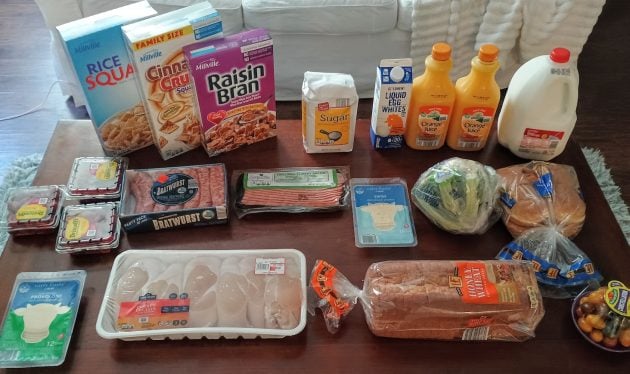
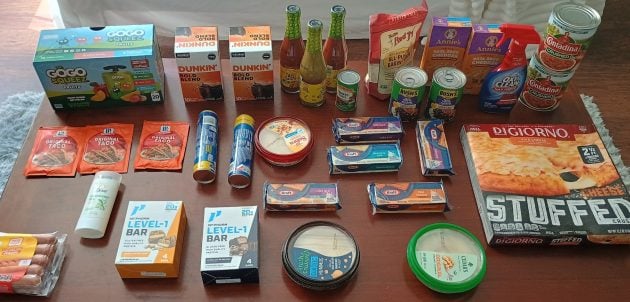
Brigette’s $55 Grocery Shopping Trip and Weekly Menu Plan for 4!

Aldi

2 bags French Green Beans – $5.36

2 cans Refried Beans – $1.78

1 jar Salsa – $1.99

1 bag Cilantro – $0.79

1 16-oz bag Shredded Cheddar Cheese – $3.29

1-lb bag Brown Sugar – $1.89

2 pkgs Broccoli Crowns – $5.48

1 3-ct pkg Multi-Colored Peppers – $2.29

1 bag Brown Flax Seed – $3.49

1 bag Basmati Rice – $3.89

1 pkg Turkey Pepperoni – $2.89

1 8-oz Deli Sliced Cheese – $1.49

Total: $34.63

Publix

1 pkg Tortillas – $1.86

5 bags Bird’s Eye Frozen Vegetables – $6.22, used $3/$10 Bird’s Eye Publix Digital Coupon – $3.22 for 5 after Couppon

2 pkgs Sweet Loren’s Cookie Dough – $6.99, received (2) $1.50/1 Sweet Loren’s Ibotta Rebates, plus received 250 points ($0.25) from Fetch – $3.74 for 2 after Rebates

2 dozen Nellie’s Eggs (only one made it into the picture for some unknown reason) – $7.98, used $3/2 Nellie’s Eggs Publix Digital Coupon, plus received (2) $0.75/1 Nellie’s Ibotta Rebates, plus received $2/1 Rebate – $1.48 for 2 after Coupon and Rebate

1 box Townhouse Crackers – $3.14, used $1/1 Townhouse Publix Digital Coupon, plus received $1/1 Townhouse Ibotta Rebate – $1.14 after Coupon and Rebate

1 box Krusteaz Pancake Mix – $1.99, used $0.75/1 Krusteaz Publix Digital Coupon – $1.24 after Coupon

1 Califia Organic Almond Milk – $3.24, used $2/1 Califia Farms Publix Digital Coupon – $1.24 after Coupon

2 pkgs Soft Soap Duo Cubes plus 1 Soft Soap – $6.59, received $3/2 Soft Scrub Duo Ibotta Rebate, plus received $2/1 Soft Scrub Ibotta Rebate, plus received $0.75 Soft Scrub Bonus Ibotta Rebate – $0.84 for 3 after Rebates

1 8-ct pkg Ritz Sandwich Crackers – $4.79, used  $1/1 Ritz Publix Digital Coupon, plus received 1500 points ($1.50) from Fetch – $2.29 after Coupon and Rebates

1 box Kellogg’s Pop Tarts – $2.50

1 pkg Hunt’s Snack Pack – $2.09, used $0.75/1 Hunts Publix Digital Coupon – $1.34 after Coupon

Total after Tax, Coupons and Rebates – $21.35

Box of food given to us from someone in our church

Grocery Total for the Week:

Weekly Menu Plan

Breakfasts

Cereal, Oatmeal, Oatmeal, Omelets, Smoothies

Lunches

Crackers and Peanut Butter, Pineapple, Sliced Peppers, Cookies x 2

Macaroni and Cheese, Cantaloupe, Carrots, Cookies x 2

Leftovers x 3

Dinners

Venison Meatloaf, Mashed Potatoes, Kale Salad

Pepperoni Pizza on Naan, Green Beans x 2

Venison Roast in the Crockpot, Kale Salad, Green Beans, Healthy Blueberry Muffins

Chicken Chimichangas, Cilantro Rice, Peas

Pancakes, Scrambled Eggs

Leftovers


Hire a Registered Dietitian for Zero Out of Pocket + My Honest Review of Nourish

Looking for a free dietitian online or online nutritionist consultation covered by insurance? I have been LOVING my Nourish dietitian and this is my completely honest review! Truly — it’s been life-changing for me!

This One Small Step Has Been Transforming My Health (and It’s Covered by Insurance!)

Are you wanting to make healthy changes in your diet but don’t know where to start? Struggling to hit your health goals or feeling overwhelmed by trying to stay on track?

In the summer of 2025, I made a decision that I honestly didn’t expect to have such a big impact. I signed up to meet with a Nourish dietitian.

Not because I had a big health goal or some drastic change in mind, but because I was feeling a little stuck. I had been working out more, trying to be mindful of what I was eating, and wanting to better support my body through this full season of life.

I figured it couldn’t hurt to get a little expert insight, especially since Nourish is fully covered by insurance under our plan.

Honestly, I expected to get a few helpful tips on calories and macros. I didn’t expect it to shift so much of how I view my body, my energy, my relationship with food, and even how I approach rest and recovery.

But it has. And I’m so grateful. Let me tell you more about my honest experience with Nourish…

Crystal Paine is smiling and holding a cute hedgehog mug, wearing a forest green zip-up sweater.

What Is Nourish?

Nourish is a virtual platform that connects you with an online registered dietitian — someone trained to help you with everything from emotional eating and hormone health to energy levels and gut issues — all from the comfort of your own home.

Instead of handing you a one-size-fits-all meal plan or a strict list of foods to avoid, your Nourish online dietitian walks with you step-by-step. They listen to your goals. They help you build habits. They offer insight on how nutrition, sleep, stress, and movement work together. And they empower you to nourish your body well — without shame, restriction, or overwhelm.

Crystal Paine is holding a mason jar filled with iced strawberry lemonade and a metal straw - a refreshing drink encouraged by her online Nourish dietician.

My Completely Honest (+ Very Vulnerable) Nourish Dietitian Review

To be honest, I was hesitant at first. I wasn’t sure I needed an online nutritionist consultation. I wondered if my health goals were “big enough” or if it would be worth the time.

But I also knew I wanted to take better care of myself. I felt a little foggy some days. I wanted accountability and clarity, and deep down, I wondered if I was giving my body what it needed to thrive.

That first call with my Nourish dietitian? It blew me away.

She helped me understand how the stress and depletion of the last few years — pregnancies, nursing, fostering, adopting a child with disabilities, caregiving, running a business, and raising six kids — had left me running on fumes. She walked me through how under-eating and under-sleeping were actually slowing down my metabolism and affecting my mood and hormones.

She didn’t guilt me. She didn’t overwhelm me. She encouraged me and gave me clear, simple steps I could take that very week.

Overhead view of a hand holding a colorful plate filled with a salad made of romaine lettuce, shredded turkey, broccoli, cranberries, and feta cheese, topped with creamy dressing. A fork rests on the plate, and feet in sandals are visible below.

What I’m Learning from My Nourish Dietician

Every session has been eye-opening. Not because of some radical overhaul… but because of how freeing and healing it’s been to undo old beliefs.

My dietitian has helped me:

  • Identify and challenge long-held beliefs about food and weight.
  • Realize how often I’ve equated worth with a number on the scale.
  • Shift from restriction to nourishment.
  • Take baby steps toward what she calls “food freedom” — where food supports your life, not controls it.

It’s emotional work, too. But so, so worth it.

Finding Food Freedom

After I started eating more (at the encouragement of my dietitian), I discovered that it was a big struggle for me. I realized I had a lot of fear around food and had put a lot of stock into what the scale said. My joy or frustration for the day and how I felt about myself was often very tied to whatever number the scale showed that day.

One of the big things my virtual dietitian encouraged me to do was to stop weighing myself. This was scary — but it ended up being SO freeing!! It took awhile to get used to, but once I did, I began to feel a whole new world open up for me!

I discovered that I had spent years trapped in a cycle of so much food noise in my head — constantly analyzing calories, pushing myself to exercise more, thinking I needed to lose weight, chasing skinny, mentally beating myself up if I didn’t follow the diet plan I had come up with for myself. I did all of this under the guise of self-discipline when it actually was dysfunctional!

I am slowly finding such freedom when it comes to food. My brain feels much quieter around food and it feels weird but also so amazing!! I love that I can find joy in food and eating without needing to constantly analyze, stress, or feel like I’m not where I need to be.

I’m chasing strong not skinny, nourishing myself not a number on the scale — and it’s been incredible!

Taking My Wellness Even Further

Recently, my dietician has been challenging me with practical ways to prioritize more sleep and to prioritize play. She’s having me try out better bedtime routines and try out different hobbies. It has been so good for my soul… and I feel like meeting with her is therapy for my whole self!

I’m also SO excited because Nourish is now offering lab work as part of their program and it’s covered by insurance for most people, as well! So just like you can hire a dietitian through Nourish and most insurance companies will pay for it, you can also now have lab work done as part of the program and it’s $0 cost to you if your insurance covers it!

A smartphone screen displays a lab scheduling interface for a "Basic Cardiometabolic Panel," originally priced at $50 but now listed as free. A green banner notes it’s included in the Nourish program, and the description highlights that the test checks markers like cholesterol, A1C, and glucose through a partnership with Quest Diagnostics.

The Nourish Lab panel checks the most important data for your metabolic and heart health — cholesterol, blood sugar (A1C), kidney function, electrolytes, and thyroid hormones. This is all so helpful because this data enables you and your dietician to make more informed decisions as you collaborate to improve your diet and health, and it provides another way to measure your progress. These labs are done at a Quest Diagnostics location near you and are fully covered every 3 months at no cost to you, providing up to $200 per year in value

I had a metabolic panel done and it was so easy to do, the results came quickly, and my dietitian went over it with me. Best of all, it was entirely covered by insurance!

Making the Most of Your Free Dietitian Online

If you decide to sign up (which I highly recommend if you’re curious!), here are a few tips to make the most of your online nutritionist consultation:

  • Track your eating, movement, and sleep for a few days ahead of your first call (I used MyFitnessPal and my Oura ring).
  • Bring questions or struggles you want help with — even small things like “I snack all day and feel tired after lunch.”
  • Share your health history (I even brought my bloodwork to our second session!).
  • Be honest and open — this isn’t about perfection, it’s about progress.
Crystal Paine sits cross-legged on a neatly made bed, using a laptop and engaged in an online nutritionist consultation from the comfort of her home.

How Much Does a Session Cost with a Nourish Dietitian?

If you’re wondering what a Nourish session might cost, here’s the exciting news: 94% of users pay $0 out of pocket when they use insurance!

That’s right! You have a very good chance of being able to meet with a free dietitian online — right from the comfort of your own home. How cool is that?!

I have been sharing about Nourish for the past few months or so as I have been using it and benefiting from it. Here’s what one my my readers had to say about their experience after giving it a try:

“I tried Nourish because of you and it has helped me SO MUCH!! I’m overweight and I’ve never had anyone teach me how I’m supposed to eat to be healthy and fuel my body, until now…and I’m 45 years old. Any my insurance has been paying 100%!!! Thank you for sharing. It’s been life changing for me too. I’m so thankful.”

I would say that number they give is quite accurate as the majority of my audience is also finding that Nourish is covered by their insurance, too.

That said, every insurance plan is a little different — some may have a small copay or coinsurance — but Nourish does everything they can to keep your costs low and offers a simple insurance coverage calculator to help you know what to expect ahead of time.

Here’s what you need to know:

  • Most people pay nothing. Yes, really! The majority of users don’t pay anything out of pocket because Nourish is in-network with hundreds of insurance plans across all 50 states.
  • You can check your coverage easily. Nourish makes it super simple to verify your insurance and see if there may be any copays or fees.
  • No surprise bills. What your insurance says is what you’ll pay — no hidden costs or unexpected fees. All appointments are backed by the Nourish Guarantee to provide a no-surprise billing experience! Note: One of my followers was told that her insurance would cover Nourish and then that ended up not being the case. Nourish zeroed out her balance and didn’t charge her anything for the two sessions she had because of their Nourish Guarantee.
  • Paying out of pocket? If your insurance doesn’t cover sessions, the self-pay rate is $145 per session — and you’ll know that up front.
Crystal Paine in hiking gear stands on a mountain summit with panoramic views of a lake, hills, and dramatic cloud-filled sky behind her.

Why I Recommend It

If you’re:

  • Feeling stuck with your health goals
  • Battling low energy or brain fog
  • Walking through a tough postpartum season
  • Wanting to build a better relationship with food
  • Or simply needing some gentle accountability

I highly recommend checking out Nourish. This is one of the most grace-filled, personalized things I’ve done for myself in a long time.

What Others Are Saying

As you can see, I’ve really enjoyed Nourish but you don’t have to just take my word for it! Here are some messages and feedback I’ve received on social media and email from those who tried Nourish for themselves and shared the experience:

Ready to try Nourish?

Head here to check if your insurance covers it: Nourish Dietitian Program

If it does, you’ll get access to a caring, credentialed online dietitian covered by insurance who will walk with you, encourage you, and help you create a life that feels vibrant, nourished, and whole.

Nourish FAQ

How much does a Nourish session cost?

94% of users pay $0 out of pocket when they use insurance!

Is Nourish really free with insurance?

Yep! Most insurance plans cover it 100% and you’ll pay nothing out of pocket!

Saying yes to that first call with the Nourish dietitian is changing my life in the best of ways and I am so thrilled and grateful!

Go here to sign up and see if Nourish is covered by your insurance.

If you’ve ever tried an online nutritionist consultation or free dietitian online, I’d love to hear about your experience in the comments below!

Free goal worksheets

 Let me help you set, track, and actually accomplish your goals this year!


Multicolored Divider